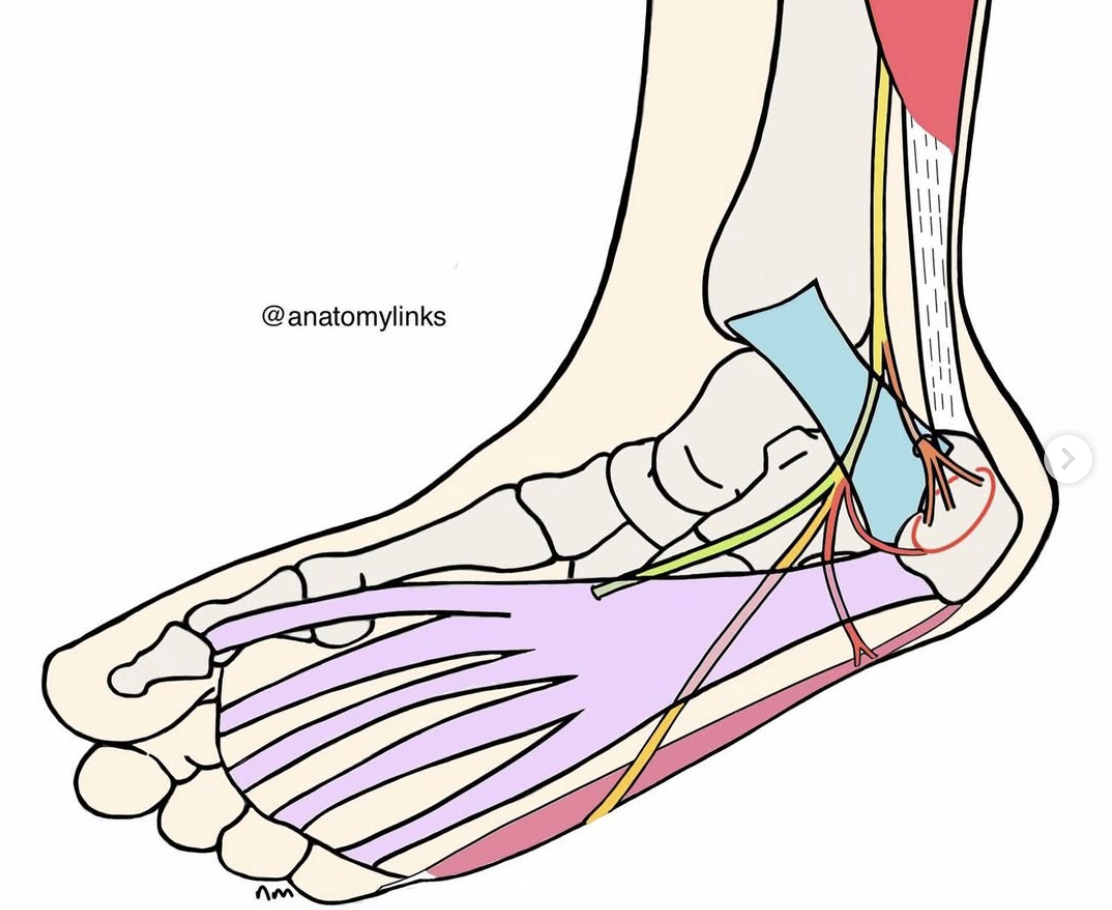
Foot and Ankle
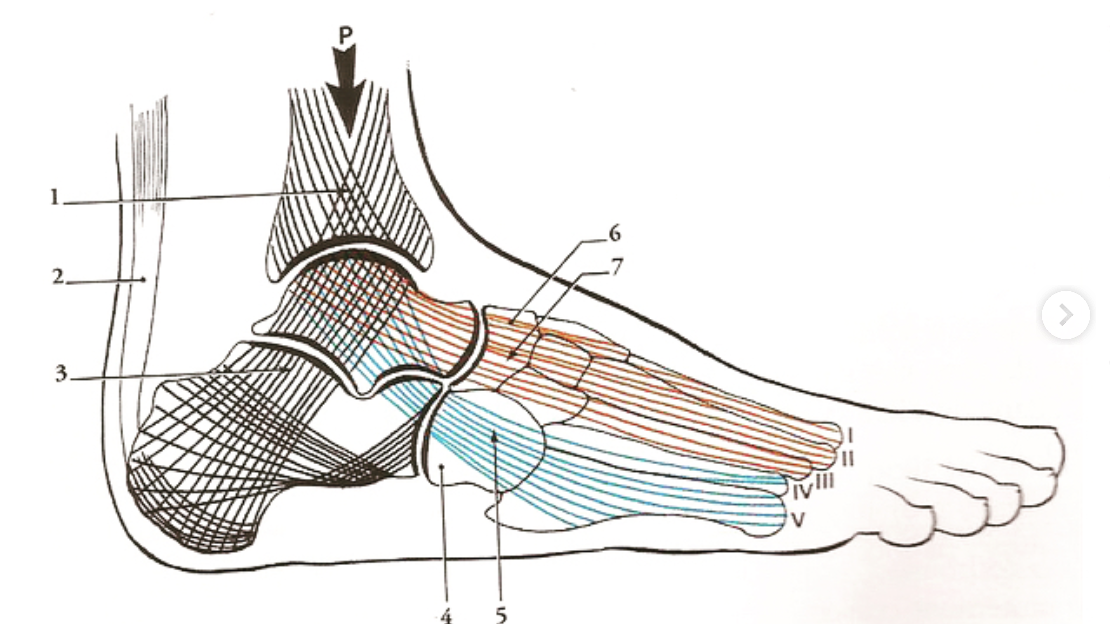
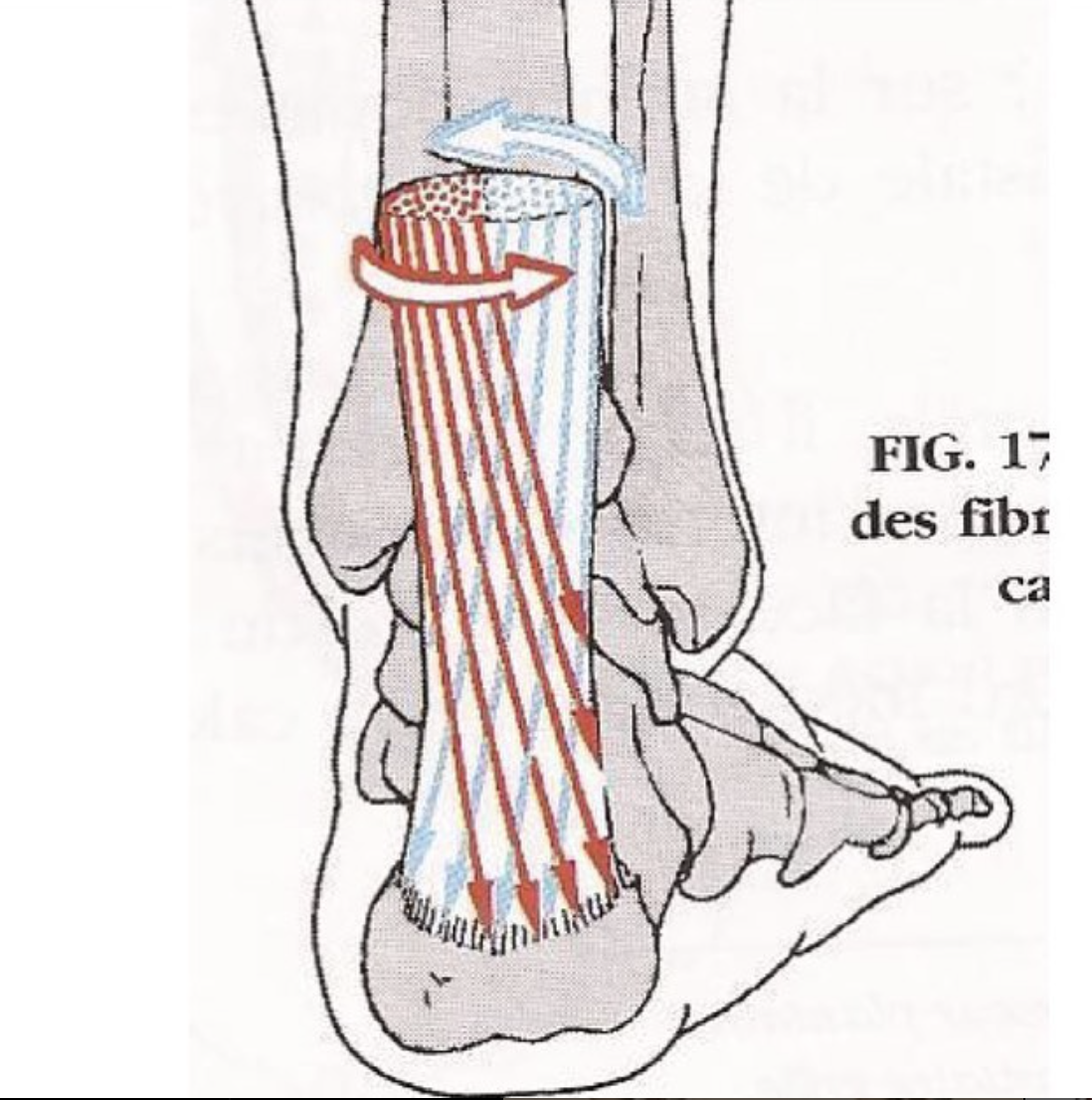
(Plantar Fasciopathy, Achilles Tendinopathy)
Core message: Progressive mechanical loading through eccentric or heavy slow resistance exercise improves tendon remodeling, pain, and durability beyond passive modalities or injections.
Key evidence:
Alfredson H et al., Am J Sports Med 1998;26(3):360‑366 — Landmark trial introducing eccentric training for chronic Achilles tendinosis with superior outcomes.
Beyer R et al., Am J Sports Med 2015;43(7):1704‑1711 — Heavy slow resistance and eccentric training equally effective for midportion Achilles tendinopathy.
Rathleff MS et al., Scand J Med Sci Sports 2015;25(3):e292‑e300 — Strength training for plantar fasciopathy superior to stretching at 3‑month follow‑up.
Foot/Ankle: Chronic Tendinopathies
Clinical Layer:
Mechanical loading (eccentric and progressive resistance) is the gold standard for Achilles, plantar, and other lower leg tendinopathies.
Chronobiological Layer:
Disruption of tendon clocks via poor light exposure or evening screen time diminishes tissue resilience.
Collagen synthesis peaks nocturnally; loading must be paired with proper circadian entrainment for maximal effect.
Why Should I Care?:
Targeted exercises rebuild foot and ankle tendons, but aligning your sleep and morning light with therapy can make tissue stronger and speed recovery.