
The Process: What to Expect
This practice follows a clear structure.
Not because people are the same, but because biology is not random.
Change happens when the right inputs are applied in the right order, consistently enough for adaptation to occur. This page outlines how that process works, what is expected of you, and how decisions are made along the way.
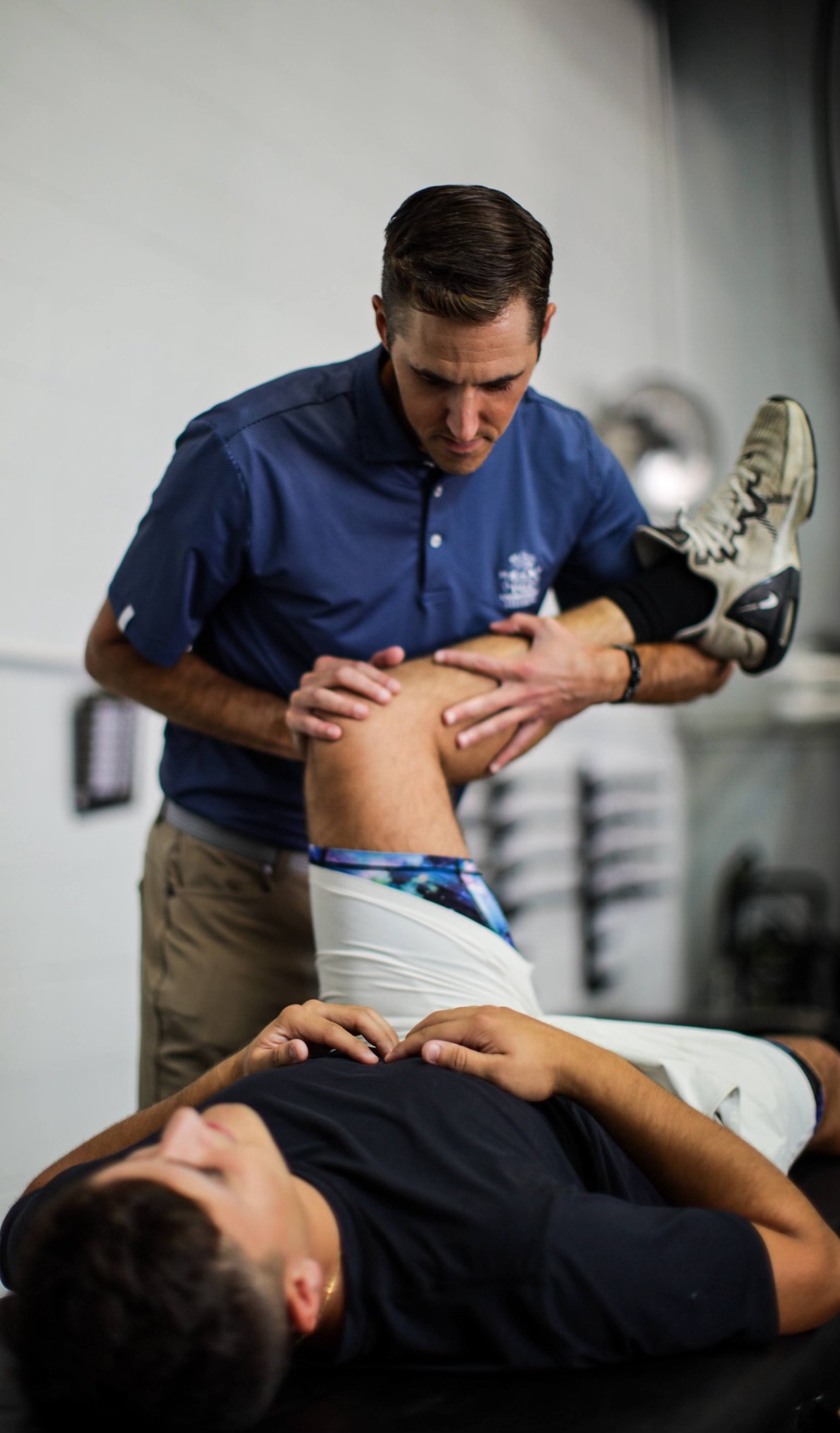
Step 1: The Initial Assessment
Every new client begins with a comprehensive assessment.
This is not a treatment session.
It is not a quick screen.
And it is not designed to “do something” to you.
The purpose of the assessment is to identify what is actually limiting adaptation.
That includes:
Tissue capacity and movement control
How well your system tolerates load
Recovery quality and biological timing
Lifestyle and training inputs that influence adaptation
The outcome of the assessment is clarity:
Is this a tissue problem, a timing problem, or both?
What must be addressed first?
Is this model the right fit for your goals?
If it is not a fit, that will be clear early.
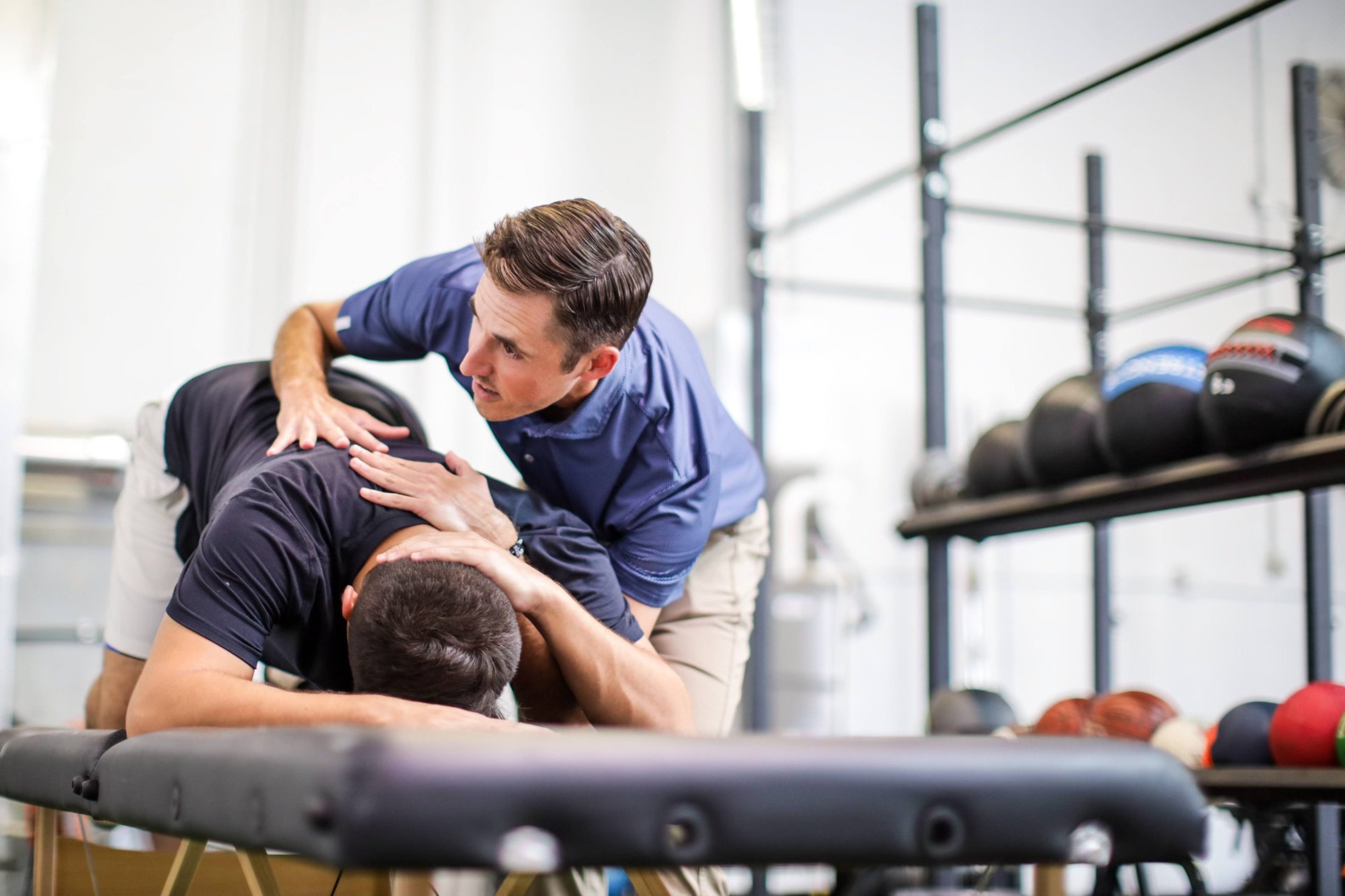
Step 2: Priority-Driven Intervention
Once the limiting constraint is identified, the plan follows the biological hierarchy.
There is no generic protocol and no fixed timeline.
The order matters more than the tools.
If timing is the primary constraint:
Recovery and environmental signals are addressed first.
Loading without recovery capacity only creates more friction.
Much of this process is about restoring rhythm, so stress and recovery can alternate instead of blending into one constant state.
If tissue capacity is the primary constraint:
Tissues are loaded progressively and specifically.
Change is driven through mechanotransduction, not passive input.
If both are present (most common):
Timing is restored enough to support adaptation, then tissues are rebuilt deliberately.
Progression is based on response, not calendar time.

Step 3: Integration & Skill Building
The goal of this phase is not dependency.
It is understanding and independence.
Over time, you’ll learn:
How to maintain gains as life and training demands change
How to recognize early warning signs before problems recur
How to adjust inputs instead of reacting to symptoms
Care becomes less frequent not because things are being ignored, but because capacity has been restored.
Your Role in the Process
This work requires participation.
Between sessions, you will have:
Movement or loading practices that matter
Recovery and timing adjustments that influence results
Clear priorities—not a long list of “things to do”
Nothing changes if nothing changes.
Biology does not adapt passively.
When the process is respected, results compound.
When inputs are inconsistent, progress stalls.
This process is intentionally participatory, because lasting change only occurs when the system is required to adapt, an approach grounded in our Active Care foundation.
What This Process Is Not
To avoid confusion, this process is not:
Passive care delivered on a schedule
Symptom management without addressing inputs
High-volume, insurance-driven treatment
A generic exercise or rehabilitation program
A maintenance model designed to manage decline
There are many good clinics built around those approaches.
This practice is intentionally built around a different one.
What Success Looks Like
Success is not defined by the absence of symptoms alone.
It looks like:
Increased tolerance to stress and training
Fewer flare-ups and quicker recovery when they occur
Greater confidence in your body’s capabilities
Less dependency on ongoing care
Long-term capacity that holds up under real life
The goal is not perfection.
The goal is durability.
This process works exceptionally well for people who are willing to engage with it.
If you value clarity, structure, and long-term outcomes—and are willing to participate actively—this approach provides a clear path forward.
How this process is applied depends on where you fall in the clinical pathway.
The Clinical Pathway explains how different patterns of pain, limitation, and adaptation require different priorities, timelines, and inputs—and why progress does not look the same for everyone.